
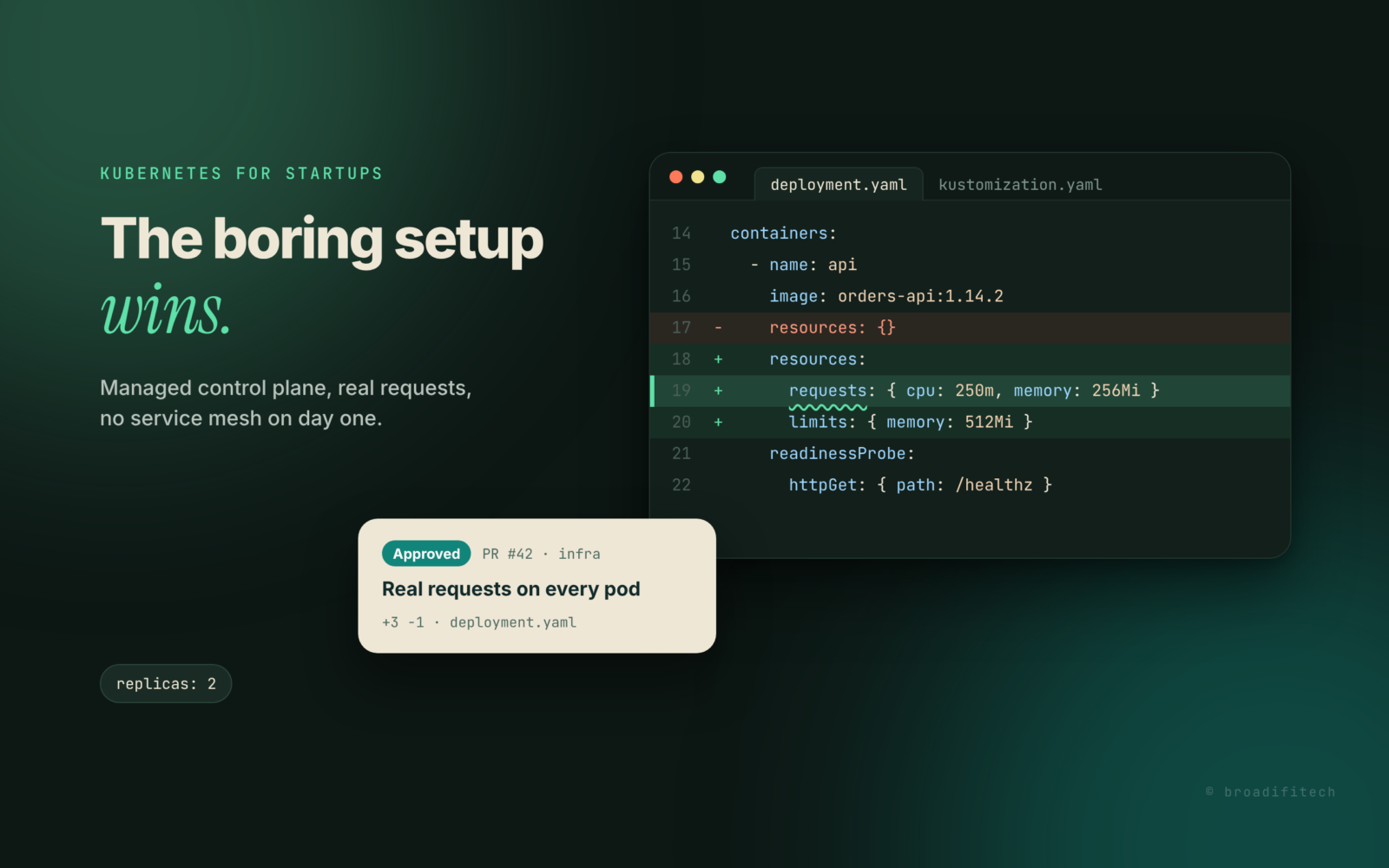
The boring Kubernetes setup I’d recommend to most startups
Most small teams adopt Kubernetes too early. Here is when a PaaS or one VM with Docker Compose is enough, and the boring cluster setup I’d use when it isn’t.
blog /
Architecture decisions, cloud bills we cut, the open-source tools we maintain, and where AI helped. Written by the engineers who did the work.
Most small teams adopt Kubernetes too early. Here is when a PaaS or one VM with Docker Compose is enough, and the boring cluster setup I’d use when it isn’t.
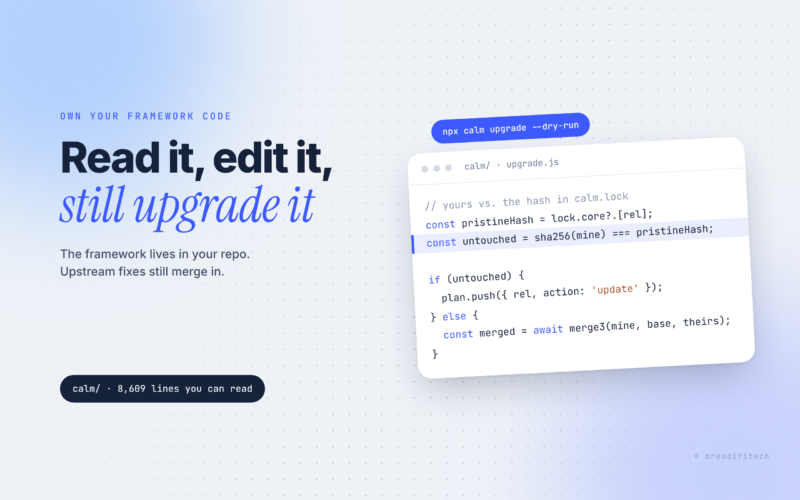
Debugging into node_modules and finding a fix you cannot safely make. Here is how to own your framework code in your repo and still get upstream fixes, with hashes and a three-way merge.
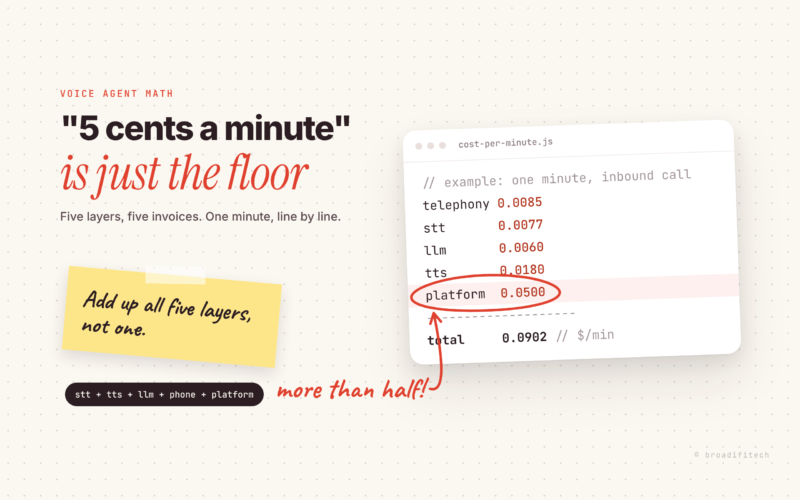
Platform pricing pages say five cents a minute. Here is what a voice agent actually costs once you add telephony, speech to text, the LLM and text to speech, with current public prices.
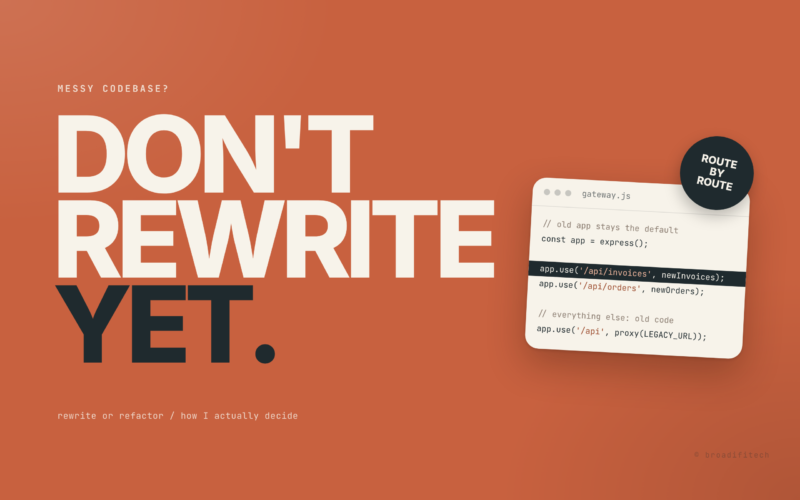
Founders with messy, AI-built or inherited code keep asking me if they should start over. Here is the honest process I use to choose between a refactor, a full rewrite, and the module by module path in between.
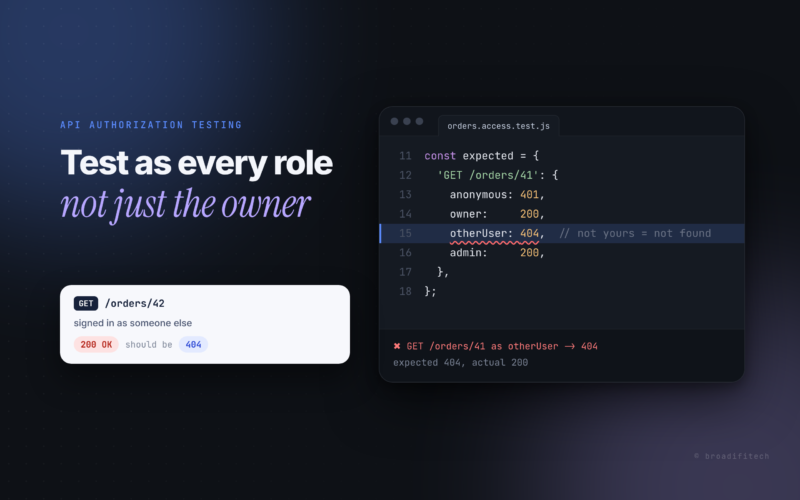
Happy-path tests prove what a user can do. Access bugs live in what they cannot do. Here is how I test every route as anonymous, owner, another user and admin, plus the probes people forget.
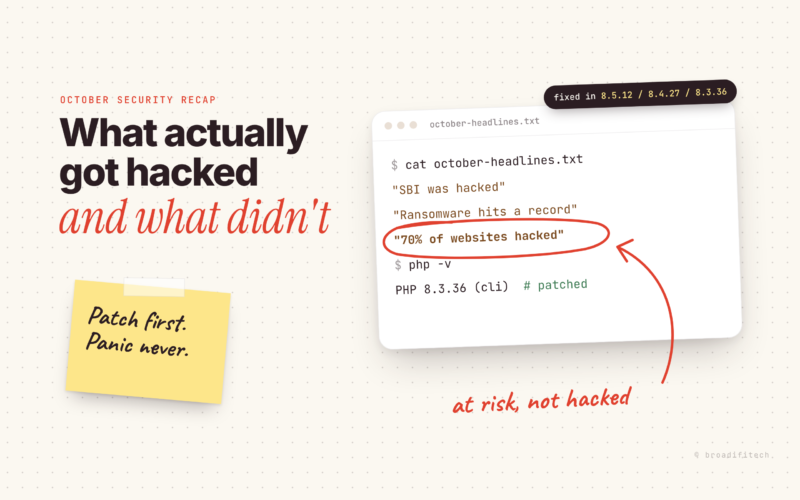
October’s real security incidents in plain words: SBI, Zeabur, LiteLLM, Rank Math and a scary PHP headline, plus what each one means for you and under DPDP.
Your saved SSH hosts are a map of your infrastructure. Here is where that map lives in a synced client, the plain manual setup I trust instead, and when team sync is actually worth it.
AI made writing code cheap, but owning it is still expensive. The one rule, the review checks, and the team habits I use so every AI-written line has a human who can explain it.
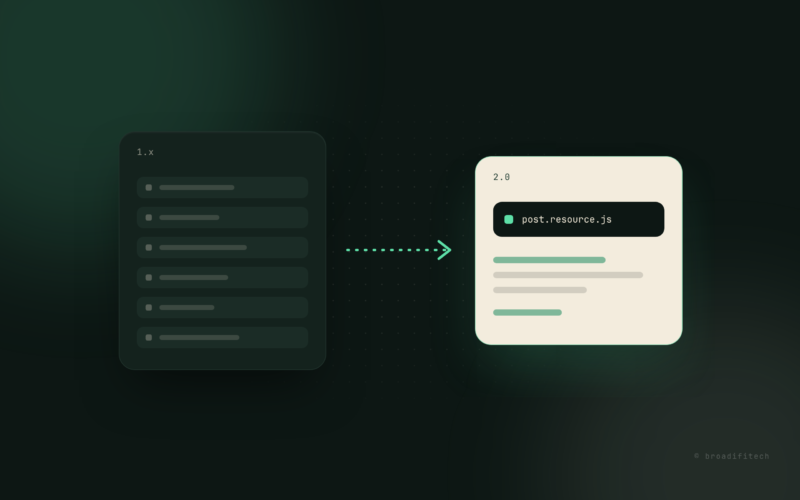
CalmAPI 1.x made you write six files for one simple module. Here is why I threw that design away, what one resource file does now, and what I am still unsure about in the 2.0 beta.
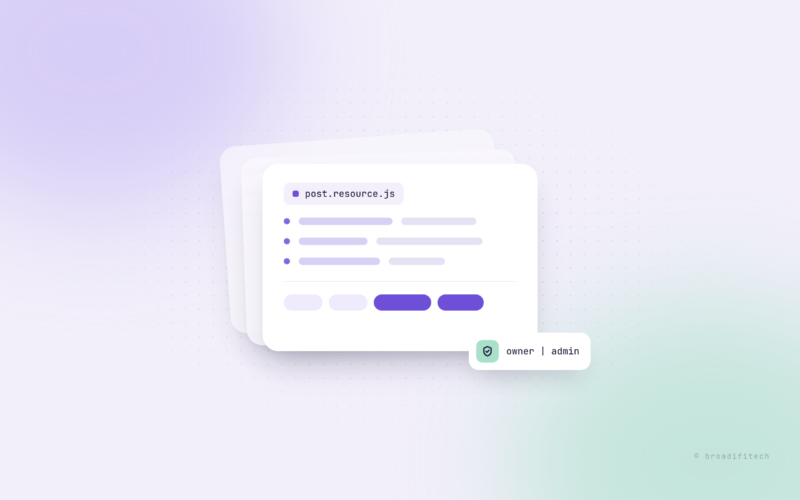
The setup work every Express API repeats: folders by resource, validation at the edge, one error format, access rules on every route, and a starter checklist so your tenth API costs less than your first.